Three priorities
- Growth that our infrastructure can support
- Responsible finances
- Reliable services for residents
About the candidate
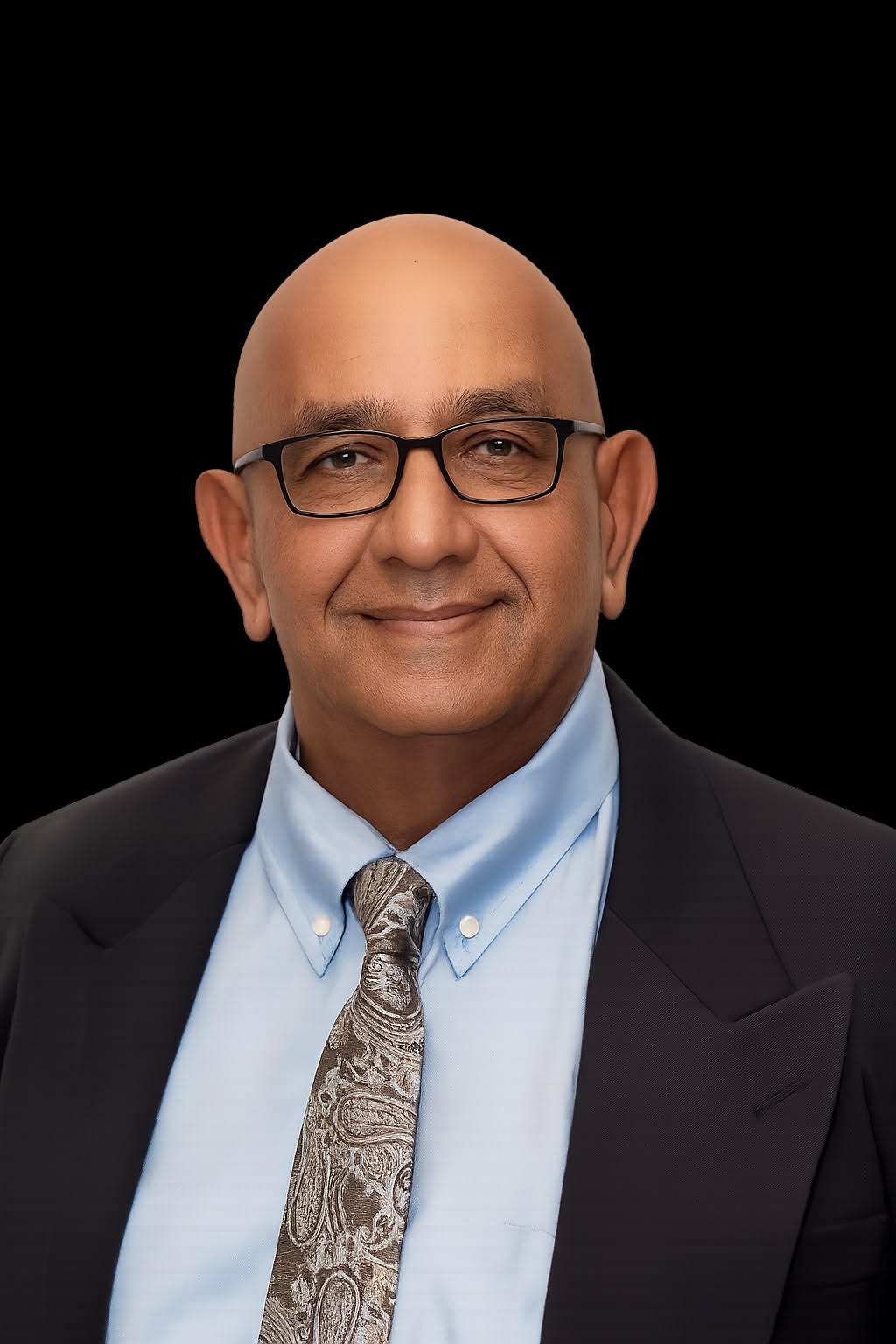
I was born in Guyana and migrated to Manitoba 51 years ago. I lived in West St. Paul for over 20 years. I was a Corrections Officer, and in 1989 I joined the Winnipeg Police Service, retiring as a Sergeant in 2018. I was Director of the Winnipeg Police Association for 20 years. I chaired the Policeman’s Ball for 18 years, supporting research at the Children’s Hospital, and chaired the Police Golf Tournament and “TIP A COP.” I was a Councillor/Mayor for 12 years. I brought the Citizens On Patrol Program to West St. Paul and remain an active member.
Questions & Answers
Every candidate receives the same eight questions. Answers are limited to 125 words each, published as submitted, on a rolling basis as they're received.
Q1 Priorities and results
What are the three most important outcomes you want West St. Paul to achieve during the next four years? What measurable result would tell residents you succeeded?
My three priorities are growth that our infrastructure can support, responsible finances, and reliable services for residents. Council needs a clear, public account of available water and sewer capacity, what has already been committed to development, and what upgrades will be needed next. If growth is moving faster than roads, drainage, and utilities can support, we need to address that. Growth must also respect the different parts of West St. Paul: rural areas should retain their rural character, while suitable commercial and light industrial development should be directed to appropriate and planned locations. By the end of the term, residents should see a funded infrastructure schedule, a water and sewer capacity plan, and annual reporting on development costs, reserves, and service results.
Q2 Taxes and spending
How should West St. Paul balance keeping municipal taxes competitive with maintaining and expanding services? Identify one area of municipal spending you would protect and one you would examine most closely for savings or efficiencies.
West St. Paul’s operating budget rose by $1.64 million, or 17.3%, from 2025 to 2026. Council needs to explain and control that growth in expenditure. The Public Works budget fell by about 2%, despite its vital role in maintaining roads and drainage. At the same time, the protective services budget rose by more than 44%. I support investing in fire equipment and training as the community grows, but residents deserve to see what is driving such a large increase across protective services and what results it is expected to deliver. I would review departmental costs and contracts, protect essential services, and put a meaningful share of growth-related revenue into reserves for future needs.
Q3 Surpluses, reserves and debt
When the RM has an operating surplus or significant reserve funds, how should Council balance saving for future infrastructure, paying down debt, funding current projects and limiting future tax increases?
Development has brought substantial revenue into West St. Paul, but that money will not flow at the same rate forever. Council should resist using a temporary windfall to support permanent increases in operating spending. The current pace of spending is not sustainable. I would set clear targets for infrastructure replacement and an emergency reserve so the RM has funds available if it faces a major, unexpected cost. Once those needs are provided for, Council should compare the benefits of paying down debt with funding priority projects. Residents should be able to see how much is being saved, what each reserve is for, and why money is being spent now rather than kept for the future.
Q4 Growth paying for growth
West St. Paul continues to experience rapid residential development. What costs should new development be expected to carry, and what costs should reasonably be shared by the municipality as a whole?
New development should pay for the roads, drainage, water, and wastewater infrastructure it requires, as well as its fair share of larger capacity upgrades. Those roads and pipes will eventually need to be repaired or replaced. A newly paved road today may need major work in roughly 25 years. I would require a schedule showing the expected life and replacement cost of infrastructure added through development, with a portion of development revenue directed into reserves for that future work. The RM should maintain a road inventory and a funded renewal plan so money is available when assets reach the end of their useful life. We should plan for these costs now rather than pass the bill to our children.
Q5 Commercial development
What types of businesses and commercial development should West St. Paul actively encourage? How should Council balance expanding the commercial tax base with traffic, infrastructure, nearby neighbourhoods and community character?
West St. Paul should use its proximity to the Perimeter Highway and CentrePort to attract businesses that provide local jobs and broaden the tax base. The RM’s fire suppression capacity is an advantage for light industrial buildings and should be promoted to businesses that may have difficulty finding suitable sites elsewhere. Council should also designate an appropriate area for trucking and rail-related businesses, with good transportation access, sound barriers, and adequate separation from homes. Heavy truck traffic should not be routed through residential streets, and rural areas should retain their character. Infrastructure costs must be addressed before development proceeds. My goal is a stronger local economy that gives more residents the opportunity to live and work in West St. Paul.
Q6 Roads, traffic and infrastructure
What are your highest infrastructure priorities for the next term? How should West St. Paul respond to increasing traffic and demands on roads, drainage, wastewater and other infrastructure as the municipality grows?
West St. Paul needs to moderate the pace of residential growth so roads, drainage, water, wastewater, and public services can keep up. Development should continue, but Council must understand the infrastructure each proposal requires before approving more growth. My priorities are a funded road renewal schedule, improved drainage, and a clear assessment of water and wastewater capacity. Retail development should remain in areas identified for it, with traffic impacts on Main Street addressed before new sites open. West St. Paul also has an excellent trail system and linear parks. I would work with neighbouring RMs to connect those trails across municipal boundaries, giving residents safer ways to travel between communities for recreation and everyday trips.
Q7 Services, recreation and public safety
As West St. Paul grows, which municipal services need the most attention or investment — such as fire protection, community safety, public works, snow clearing, parks, recreation or bylaw enforcement — and why?
Fire protection must keep pace with West St. Paul’s growth. I support a full-time fire chief, reliable funding for equipment, and more training for firefighters. I would also establish a clear structure to coordinate fire services, bylaw enforcement, and emergency management. Public Works is vital to both emergency response and everyday service. We must also protect land set aside for recreation. I would stop the proposal to remove community soccer fields and build a new administration building on recreation land at the Access Centre. As the community grows, we will need more opportunities for sport and recreation, not fewer. I would look for another suitable location for an administration building and make sure its size and cost reflect the RM’s actual needs.
Q8 West St. Paul's biggest challenge
What do you believe is the single biggest issue facing West St. Paul as a whole, and what specific result should residents expect from you by the end of the next term?
The biggest issue facing West St. Paul is the lack of a clear, shared direction for our growth and spending. Where should homes, businesses, and recreation go, which rural areas should remain rural, and what infrastructure can we afford to maintain? Residents deserve a voice in those decisions. I would lead a public planning and consultation process that sets a five-year action plan and a twenty-year vision, supported by infrastructure and financial plans. I would also press Council to review the growth in management positions and require a clear need and service benefit before adding more. By the end of the term, residents should see the plan, the projects funded to carry it out, and an annual report on what Council delivered and spent.
Candidate information timeline
- Questionnaire sent
- September 15, 2026
- Response received
- October 5, 2026
- Last candidate update
- October 5, 2026
WSP Votes is an independent community voter guide. It is not affiliated with or endorsed by the Rural Municipality of West St. Paul, its election officials, Elections Manitoba, or any candidate or campaign. Candidate responses are published substantially as submitted.