Three priorities
- Preserve West St. Paul's rural character and identity
- Invest in recreation facilities, parks, and trails
- Strengthen community safety
About the candidate
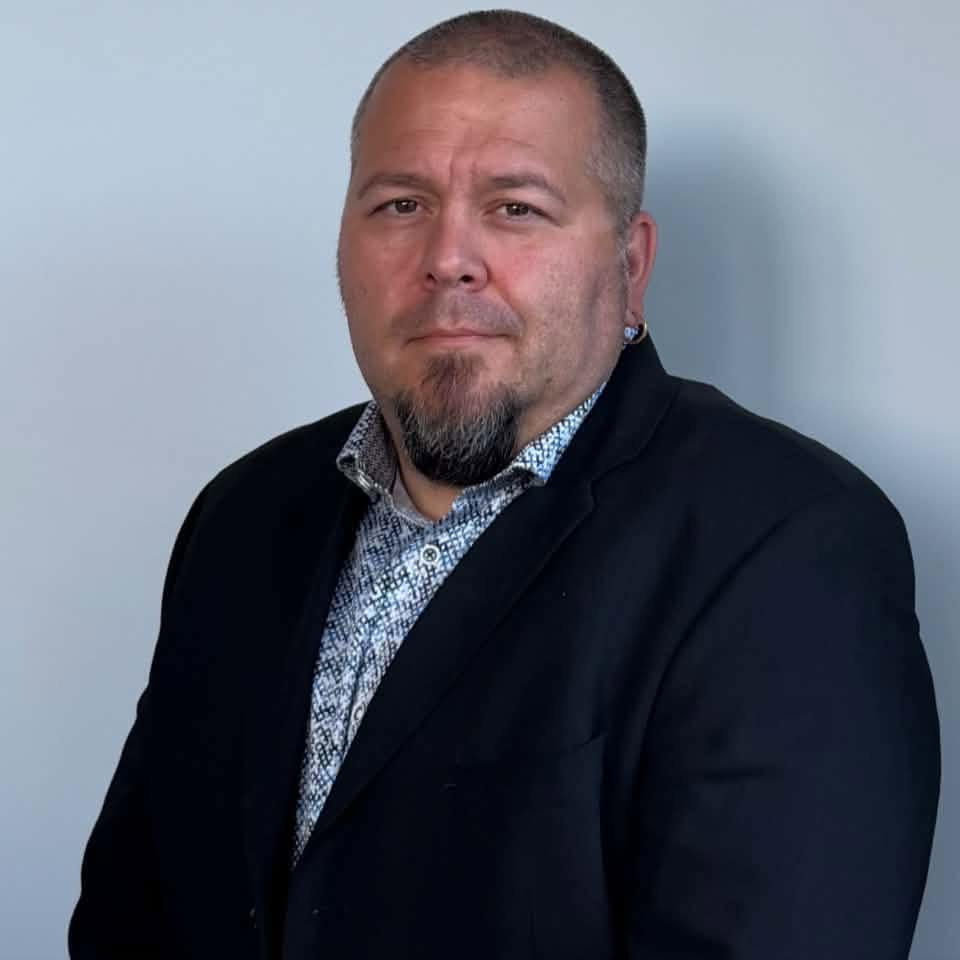
My family and I relocated to West St. Paul nearly a decade ago. During that time, I have witnessed firsthand the challenges faced by both long-time residents and those new to our community. As our municipality continues to grow, issues such as infrastructure, development, public and recreation services, and community engagement have become increasingly important. I have represented thousands of individuals, giving them a meaningful voice at the table and ensuring their concerns, perspectives, and interests were represented. Advocacy is not something I do when it is convenient—it has been the foundation of my work throughout my career.
Questions & Answers
Every candidate receives the same eight questions. Answers are limited to 125 words each, published as submitted, on a rolling basis as they're received.
Q1 Priorities and results
What are the three most important outcomes you want West St. Paul to achieve during the next four years? What measurable result would tell residents you succeeded?
Priority one is to preserve our rural character while maintaining the unique identity that sets West St. Paul apart from the City of Winnipeg. Growth and development must be thoughtful, sustainable, and aligned with our community vision. A key measure of success will ensure that future developments mirror existing neighbourhoods, and rural way of life. Priority two is investing in recreation facilities, parks, and trails that improve services for residents of all ages. Success will be measured by securing funding and seeing construction begin on long-overdue recreation projects. Priority three is community safety. Residents deserve to feel safe in their neighbourhoods, on our streets, and in our public spaces. Success in this area will be measured through reductions in speeding, break-ins and property crime.
Q2 Taxes and spending
How should West St. Paul balance keeping municipal taxes competitive with maintaining and expanding services? Identify one area of municipal spending you would protect and one you would examine most closely for savings or efficiencies.
One area of municipal spending I would prioritize and protect is protective services. This includes supporting our WSP Volunteer Fire Department, bylaw enforcement, and Community Safety Officers. Investing in these services helps address many of the concerns I have heard directly from residents regarding safety, emergency response, and quality of life within our community. The area I would closely examine for savings and efficiencies is the administrative office. I want to ensure the RM has the personnel and resources necessary to provide excellent service to residents, while ensuring it doesn't become top-heavy. Regular reviews of the administrative structure can help identify opportunities to improve efficiency and ensure tax dollars are used effectively. Residents deserve responsive service and timely assistance whenever they reach out.
Q3 Surpluses, reserves and debt
When the RM has an operating surplus or significant reserve funds, how should Council balance saving for future infrastructure, paying down debt, funding current projects and limiting future tax increases?
When the RM experiences operating surpluses, Council should prioritize planning current and future infrastructure needs that benefit all. While growth is important, we must not overlook the significant investments existing residents have already made to the community. Reserve funds may accumulate substantial balances as part of long-term planning to finance major community projects, such as an upgraded recreation complex or other critical improvements. Utilizing reserve funds for these projects can reduce or eliminate the need for borrowing, limiting future tax increases and debt. When considering allocating surplus funds toward reserves or debt repayment, an analysis should be conducted. Council should compare investment returns against interest costs from long-term debt to determine the greatest benefit to taxpayers and the long-term financial health of the RM.
Q4 Growth paying for growth
West St. Paul continues to experience rapid residential development. What costs should new development be expected to carry, and what costs should reasonably be shared by the municipality as a whole?
Developers should be responsible for the costs of services and infrastructure required to fully complete their developments. If Council identifies essential infrastructure needs—such as sidewalks, crosswalks, trail lighting, or green space—those costs should be the responsibility of the developer. New developments should be as self-sufficient as possible once completed, with the RM assuming responsibility for general maintenance (grass cutting, snow removal, etc.). Existing residents should not be expected to subsidize infrastructure required to enhance new developments. Cost-sharing should only occur when infrastructure has reached the end of its useful life and requires replacement or when there is a broader community benefit. This approach ensures growth pays its fair share while protecting the investments of residents who have already built our community.
Q5 Commercial development
What types of businesses and commercial development should West St. Paul actively encourage? How should Council balance expanding the commercial tax base with traffic, infrastructure, nearby neighbourhoods and community character?
West St. Paul could benefit from thoughtfully planned commercial development that provides residents with more local services. This could include sit-down restaurants with patios, a grocery store, and retail such as hair and nail salons and specialty pet stores. We could also benefit from professional and essential services including dental care, expanded medical services, financial services, veterinary care, childcare, and automotive services. However, commercial development must be approached carefully. While an increased tax base is beneficial, it cannot come at the expense of residents' quality of life. Council must consider parking, traffic flow, public safety, noise, and impacts on surrounding neighbourhoods. Resident input must be considered. Appropriate separation between commercial and residential areas must remain a priority.
Q6 Roads, traffic and infrastructure
What are your highest infrastructure priorities for the next term? How should West St. Paul respond to increasing traffic and demands on roads, drainage, wastewater and other infrastructure as the municipality grows?
My number one infrastructure priority is the much-needed expansion and upgrading of our recreation facilities. Access Centre has not kept pace with the growth of our community and lacks the services and opportunities residents deserve. My second priority is investing in our roads to address the increased traffic, daily demands, and growing parking needs. Previous infrastructure studies should be thoroughly reviewed. These studies provide an important starting point for developing a comprehensive plan to address deficiencies in roads, drainage, water, wastewater, and recreation. From there, Council can establish clear priorities, determine the required budget, identify funding opportunities, and set realistic timelines for completion. We need a long-term infrastructure plan that supports both current residents and responsible future growth.
Q7 Services, recreation and public safety
As West St. Paul grows, which municipal services need the most attention or investment — such as fire protection, community safety, public works, snow clearing, parks, recreation or bylaw enforcement — and why?
As stated above, my priorities are recreation, protective services, and transportation infrastructure. West St. Paul is a family-oriented community, yet our parks, trails, and recreation facilities have not kept pace with our growth. Families should be able to access the programs, activities, and recreational opportunities they want right here in the RM. Public safety is a concern for many residents. Proper investment in protective services, including our volunteer fire department, bylaw enforcement, and Community Safety Officers, is essential to protecting residents' safety, security, and quality of life. Growth is creating increasing pressure on our transportation infrastructure. Increased road usage, parking demands, and traffic safety are challenges for many. Strategic investment, combined with bylaw enforcement and community safety services, can help address these concerns.
Q8 Your ward's biggest challenge
What do you believe is the single biggest issue facing Ward 4, and what specific result should residents expect from you by the end of the next term?
I believe West St. Paul's greatest challenge is growth and development that has outpaced the infrastructure and community vision many residents hold. If elected, I will work to ensure future development reflects expectations of current residents and fits within our community's long-term vision. Quite simply, development needs to make sense—not be approved solely for the purpose of increasing tax revenue. Before approving new developments, Council must consider the full impact on our community, including transportation infrastructure, recreation facilities, essential services, water and wastewater capacity, drainage, and school capacity. Growth should be planned, sustainable, and supported by the infrastructure needed to serve both new and existing residents. Our community deserves development that strengthens WSP without compromising the character and quality of life that residents value.
Candidate information timeline
- Questionnaire sent
- September 14, 2026
- Response received
- September 14, 2026
- Last candidate update
- September 14, 2026
WSP Votes is an independent community voter guide. It is not affiliated with or endorsed by the Rural Municipality of West St. Paul, its election officials, Elections Manitoba, or any candidate or campaign. Candidate responses are published substantially as submitted.