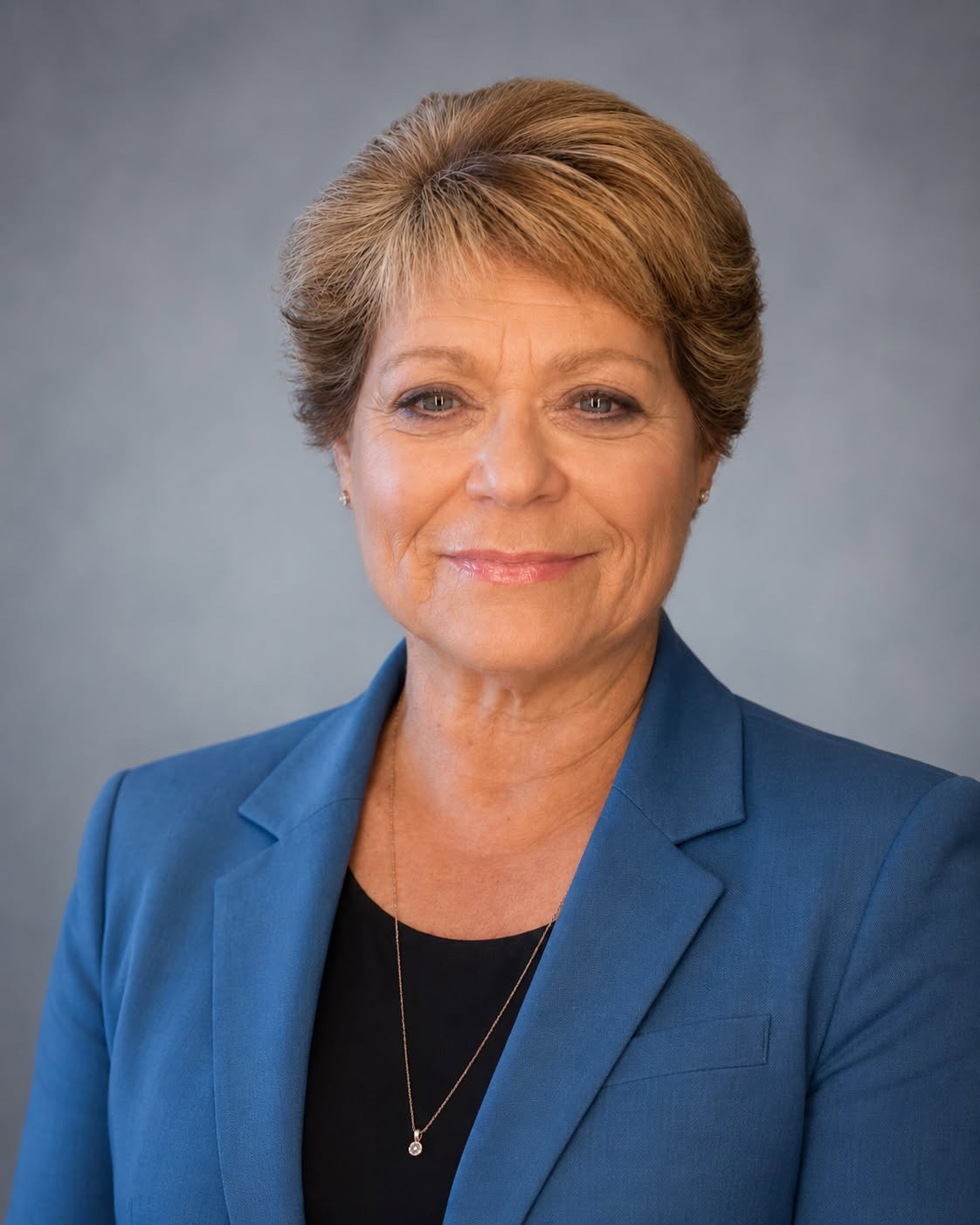
Why I'm running
I have lived in West St Paul for 31 years-this is my home. I am running because West St. Paul is changing rapidly, and we need leadership that recognizes where we are going and prepares for it. My experience as a banker, teacher, business owner, and Councillor has taught me to listen, solve problems, make responsible financial decisions, and take action. I want to keep West St. Paul safe and affordable while making sure our infrastructure and services keep pace with growth. My goal is to protect what makes this community a great place to live while preparing responsibly for the future.
Three priorities
- Keep West St. Paul Affordable - Control spending, keep taxes low, and grow the commercial tax base. Council has cut the mill rate from 9.1 to 6.2 in the past four years-that is proven discipline. I would like to continue to examine every dollar, protect essential services including roads, policing, and fire protection while eliminating waste.
- Safe and Strong Infrastructure - Invest in roads, drainage, fire protection, community safety, and infrastructure that keeps pace with growth. As someone who has managed construction for 30 years, I know what quality infrastructure looks like and what poor planning costs. We need long term capital planning, maintenance that prevents emergency repairs, and roads that keep pace with growth.
- Plan for the Future - Prepare for growth with recreation, services, businesses, and infrastructure while ensuring growth pays its fair share.
About the candidate
I have been a banker, teacher, and business owner for 30 years. I have served as a Councillor for eight years, representing Wards 3 and 4, and served on the Red River Planning District, including one year as Chair. I have proven that I deliver. When I identified a gap in pediatric speech therapy, I lobbied the province and secured $1 million in funding. I understand responsible spending, problem-solving, and planning for growth while keeping West St. Paul affordable and safe. That is the experience West St Paul needs-someone who knows the community, understands infrastructure, listens, and gets results.
Questions & Answers
Every candidate receives the same eight questions. Answers are limited to 125 words each, published as submitted, on a rolling basis as they're received.
Q1 Priorities and results
What are the three most important outcomes you want West St. Paul to achieve during the next four years? What measurable result would tell residents you succeeded?
My three priorities are affordability, safety and infrastructure, and responsible planning for growth. First, I want to continue controlling spending and keeping municipal taxes affordable while expanding the commercial tax base. Second, I want to ensure our roads, drainage, fire protection and community safety services keep pace with growth. Third, I want West St. Paul to plan ahead for the recreation and infrastructure needs of a growing population. Success should be measurable: maintaining a strong record of tax control, completing priority infrastructure projects, continuing effective community safety programs, and securing responsible investment in recreation and commercial development without placing unnecessary costs on residential taxpayers.
Q2 Taxes and spending
How should West St. Paul balance keeping municipal taxes competitive with maintaining and expanding services? Identify one area of municipal spending you would protect and one you would examine most closely for savings or efficiencies.
West St. Paul needs to remain affordable while providing the services residents depend on. Responsible budgeting means looking at every dollar and asking whether residents are receiving value for that spending. I would protect spending on public safety, including fire protection and community safety, as well as essential infrastructure and road maintenance. At the same time, Council should closely examine all costs so that we avoid unnecessary duplication or spending. West St. Paul has already reduced its mill rate from 9.1 to 6.2 over the past four years. The goal should be to continue controlling costs, attract more commercial development, and improve efficiency rather than automatically looking to residential taxpayers for more revenue.
Q3 Surpluses, reserves and debt
When the RM has an operating surplus or significant reserve funds, how should Council balance saving for future infrastructure, paying down debt, funding current projects and limiting future tax increases?
Surpluses and reserves should be managed as part of a long-term financial plan, not spent simply because the money is available. West St. Paul is growing, and we know significant infrastructure investments will be required. Maintaining appropriate reserves gives Council the ability to plan for those projects rather than facing sudden tax increases when infrastructure needs arise. At the same time, Council should look at debt carefully and determine whether paying down debt provides greater long-term value than funding an urgent infrastructure project. The priority should be balance: maintain healthy reserves, responsibly manage debt, fund necessary infrastructure, and use financial planning to reduce pressure for future tax increases. Every decision should consider both today's residents and the taxpayers who will live here tomorrow.
Q4 Growth paying for growth
West St. Paul continues to experience rapid residential development. What costs should new development be expected to carry, and what costs should reasonably be shared by the municipality as a whole?
New development should carry a fair share of the costs directly created by that development. That includes appropriate development charges, connections and infrastructure required specifically to service new subdivisions. However, not every municipal cost can or should be placed entirely on new development. Major infrastructure that benefits the entire community should reasonably be shared by the municipality as a whole. The key is fairness and transparency. Residents should not be expected to subsidize infrastructure that is primarily required because of a new development, but we also cannot make development responsible for every community-wide project. West St. Paul needs growth, but growth must be managed responsibly. Development should contribute appropriately to the infrastructure and services it requires while maintaining the municipality's long-term financial health.
Q5 Commercial development
What types of businesses and commercial development should West St. Paul actively encourage? How should Council balance expanding the commercial tax base with traffic, infrastructure, nearby neighbourhoods and community character?
West St. Paul should actively pursue businesses that provide services that residents leave the community to access, create employment, and strengthen our commercial tax base. Families leave West St Paul to shop, dine and access services in Winnipeg. A stronger commercial tax base can help offset the tax burden on residential properties. Commercial development must be planned carefully. We need to consider traffic, road capacity, drainage, infrastructure, neighbouring homes and community character. Council should work with businesses and developers to identify appropriate locations and ensure infrastructure requirements are addressed before development proceeds. The goal is not simply to attract any business. It is to build a diverse commercial base that provides services, such as a DynaCare, restaurants, and retail that keep people in our community.
Q6 Roads, traffic and infrastructure
What are your highest infrastructure priorities for the next term? How should West St. Paul respond to increasing traffic and demands on roads, drainage, wastewater and other infrastructure as the municipality grows?
Infrastructure must keep pace with West St. Paul's growth. My priorities are maintaining and improving roads, addressing drainage and culverts, planning for wastewater needs, and ensuring new development does not overwhelm infrastructure. We need to look ahead rather than waiting until infrastructure fails. A long-term capital plan should identify which roads and infrastructure require immediate attention, which can be scheduled over several years, and how those projects will be funded. Increasing traffic requires better planning around development, road connections and transportation patterns. The measurable goal should be a clear, prioritized infrastructure plan with projects completed according to need and available funding. Growth provides opportunities, but it also creates responsibility. We need to make sure infrastructure decisions today do not create larger costs for taxpayers tomorrow.
Q7 Services, recreation and public safety
As West St. Paul grows, which municipal services need the most attention or investment — such as fire protection, community safety, public works, snow clearing, parks, recreation or bylaw enforcement — and why?
Public safety is non-negotiable. Fire protection and community safety require quick response times as these directly affect residents’ quality of life along with services such as snow clearing and bylaw enforcement. The Community Service Officer program is an example of responding to a concern and finding a practical solution. We need to continue evaluating these programs to ensure they are effective and provide value. Recreation also needs attention. Our growing population needs facilities that serve families, youth and seniors. A future multiplex could provide hockey, swimming, basketball or volleyball and an indoor walking track. These investments must be approached responsibly, including seeking provincial, federal and private-sector partnerships so that recreation improvements do not place an unnecessary burden on residential taxpayers.
Q8 West St. Paul's biggest challenge
What do you believe is the single biggest issue facing West St. Paul as a whole, and what specific result should residents expect from you by the end of the next term?
The biggest issue facing West St. Paul is managing growth responsibly. Growth brings opportunity, but if we do not plan ahead, it can put pressure on roads, drainage, wastewater, public safety, recreation and municipal finances. Leadership means recognizing those pressures before they become bigger problems. By the end of the next term, residents should expect measurable progress on priority infrastructure, continued attention to community safety, responsible commercial growth, and a clear plan for future recreation and municipal services. I want residents to know that growth will not mean losing sight of affordability. We need to welcome new families and businesses while protecting the residents who built this community. West St. Paul should grow-but it must grow responsibly, with a plan and with taxpayers in mind.
Candidate information timeline
- Questionnaire sent
- September 14, 2026
- Response received
- October 7, 2026
- Last candidate update
- October 8, 2026
WSP Votes is an independent community voter guide. It is not affiliated with or endorsed by the Rural Municipality of West St. Paul, its election officials, Elections Manitoba, or any candidate or campaign. Candidate responses are published substantially as submitted.